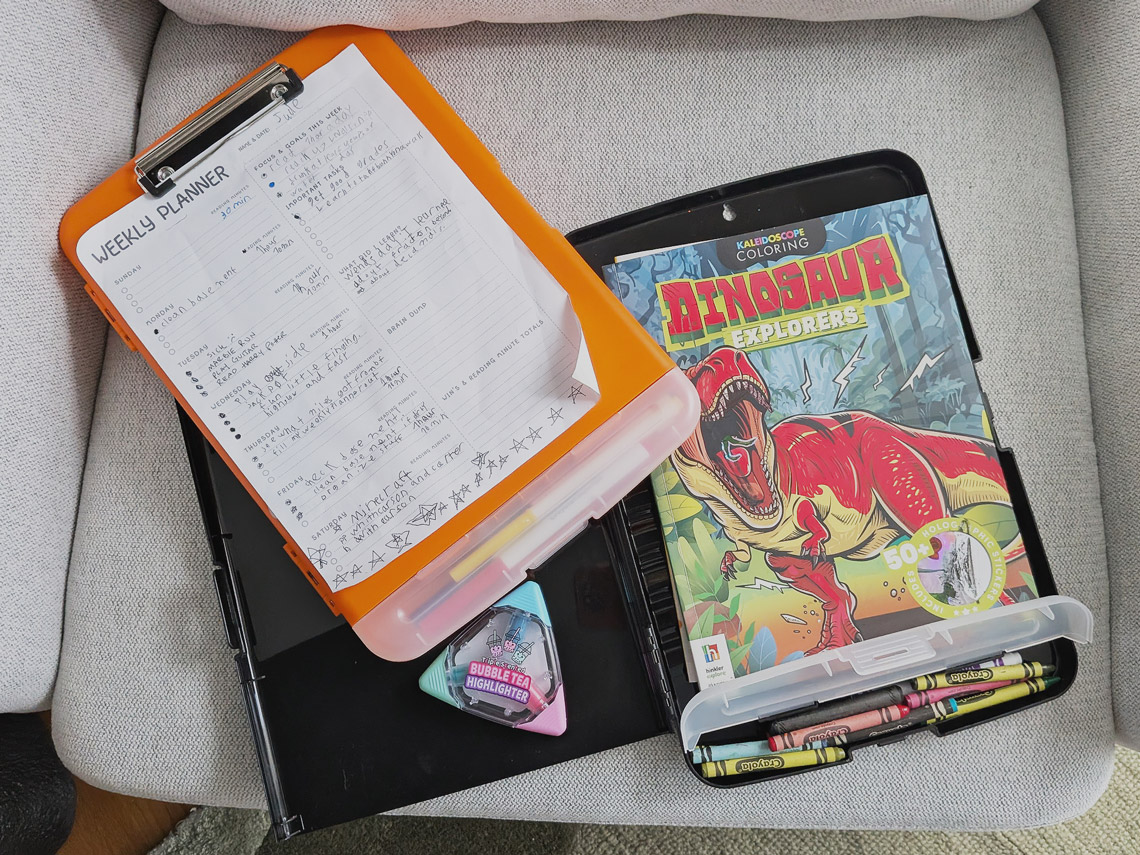
If you’ve ever felt like you’re constantly reminding your kids what needs to get done… you’re not alone!
“Are your teeth brushed?”… “Did you read yet?”… “How’s your bedroom look?” It adds up fast.. for you and for them! Instead of repeating myself, I wanted to try something a little different. Going in a more interactive direction that felt more creative and fun. Something they could hold and actually own.
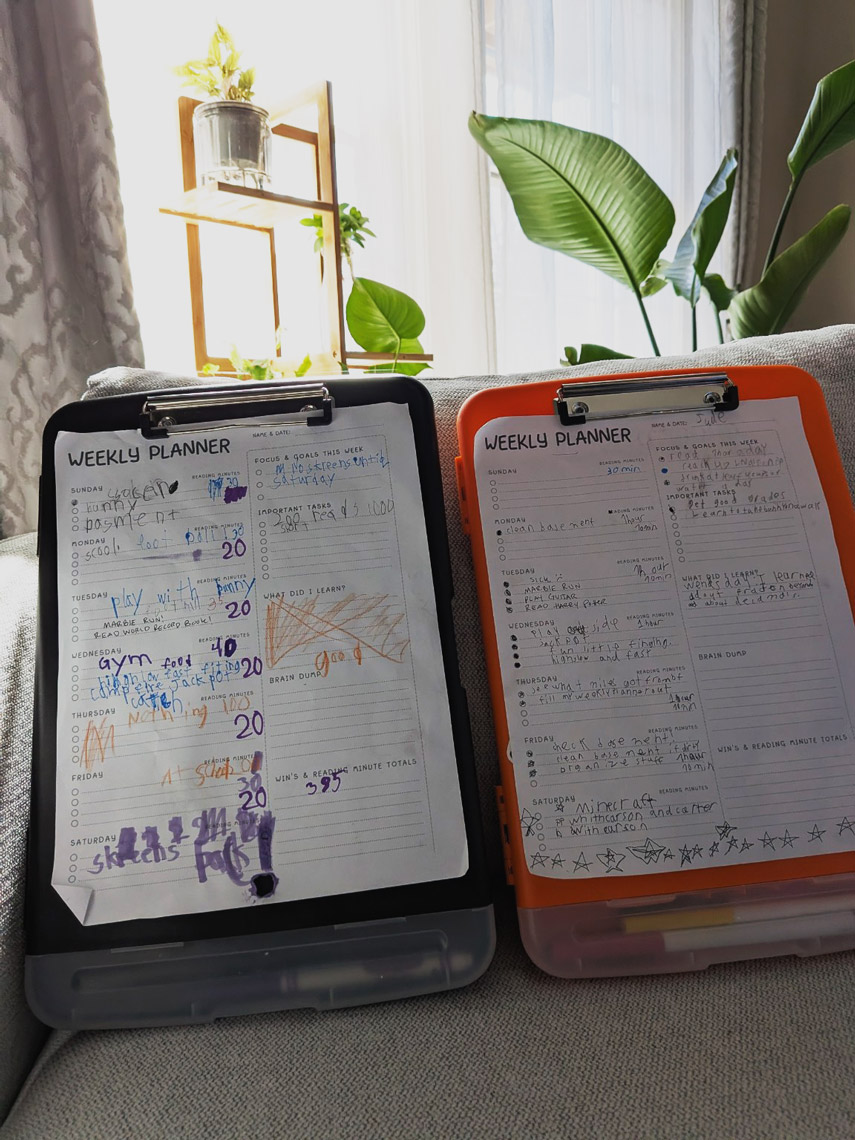
We started using a simple weekly planner and chore tracker. It’s not perfect. But different—in a really good way.
Helping Kids See & Track Their Progress
Kids don’t always respond to instructions—but they do respond to what they can see. When they can track what they’ve done, check things off, and look back at their week, it clicks in a different way. It turns.. “I have to do this”.. into.. “Look what I did!”
That small shift builds confidence fast and makes them more excited to keep going.
Why This Age Is Important to Developing Reading Skills
At this stage—around ages 6–10—kids are starting to build habits that stick. Especially when it comes to reading.
Research shows that children who read regularly by age 9 are significantly more likely to perform better academically in later years—and are more likely to read for enjoyment as they grow. Even just 15–20 minutes of reading a day can expose kids to over 1 million words per year. That kind of exposure builds vocabulary, comprehension, and confidence without them even realizing it.
The goal isn’t just getting them to read more… it’s helping them see themselves as readers. When kids track their reading minutes, write it down, and watch it add up over the week, something shifts. It becomes visible. When progress is visible it becomes motivating and they start to take pride in it.
And pride leads to consistency.
The Reward: Effort = Outcome
At the end of the week, the kids turn in their sheets. Not for perfection—but for effort. That’s when allowance or other rewards comes into play. This can be more screen time, or a fun trip to their favorite arcade.
It’s simple:
Show up → earn it
Skip out → it reflects
No arguing. No negotiating. Just a clear connection between what they did… and what they earned. More importantly, they know why. Teaching them the importance of prioritizing and accountability.
The Tools: Start ASAP with this printable template!
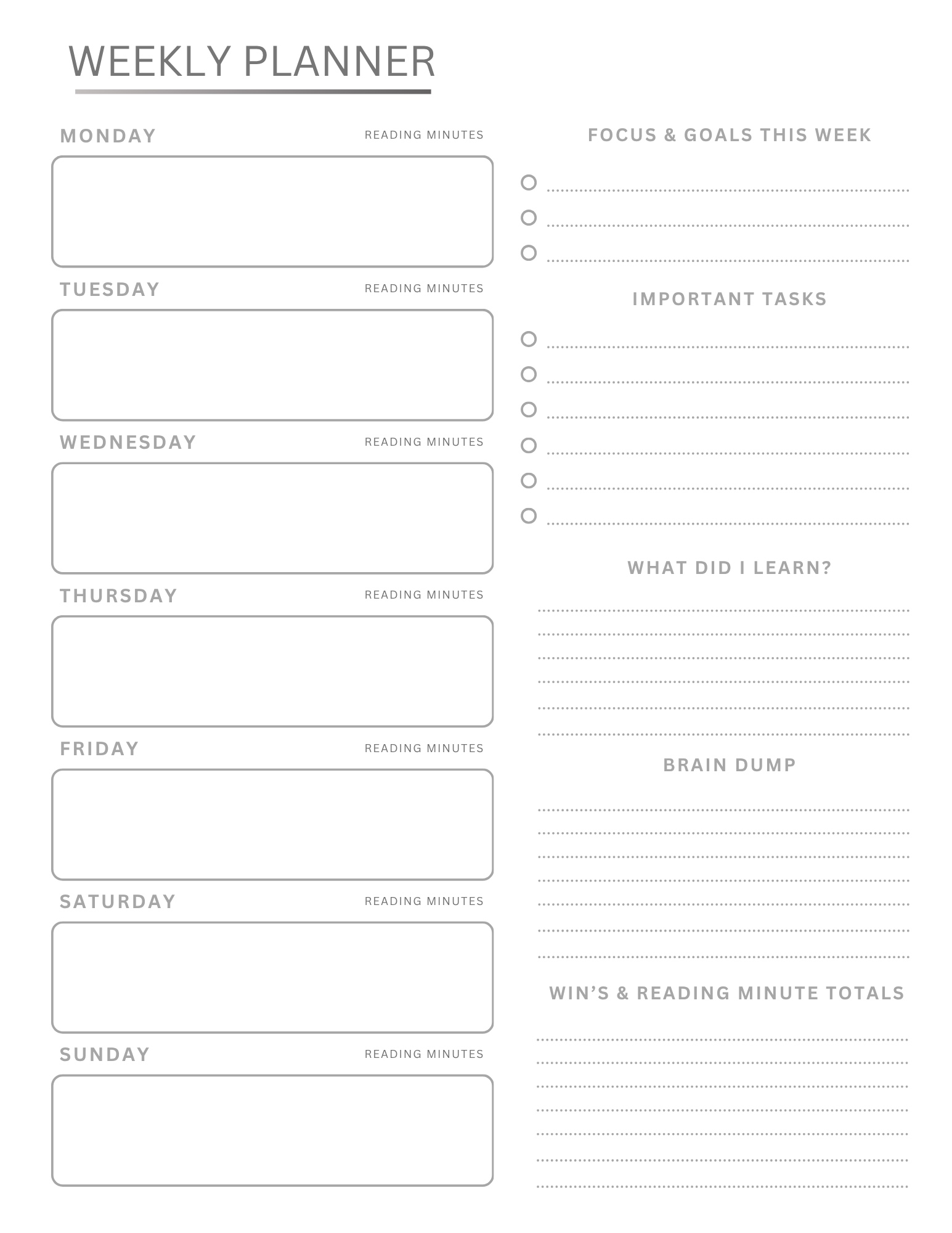
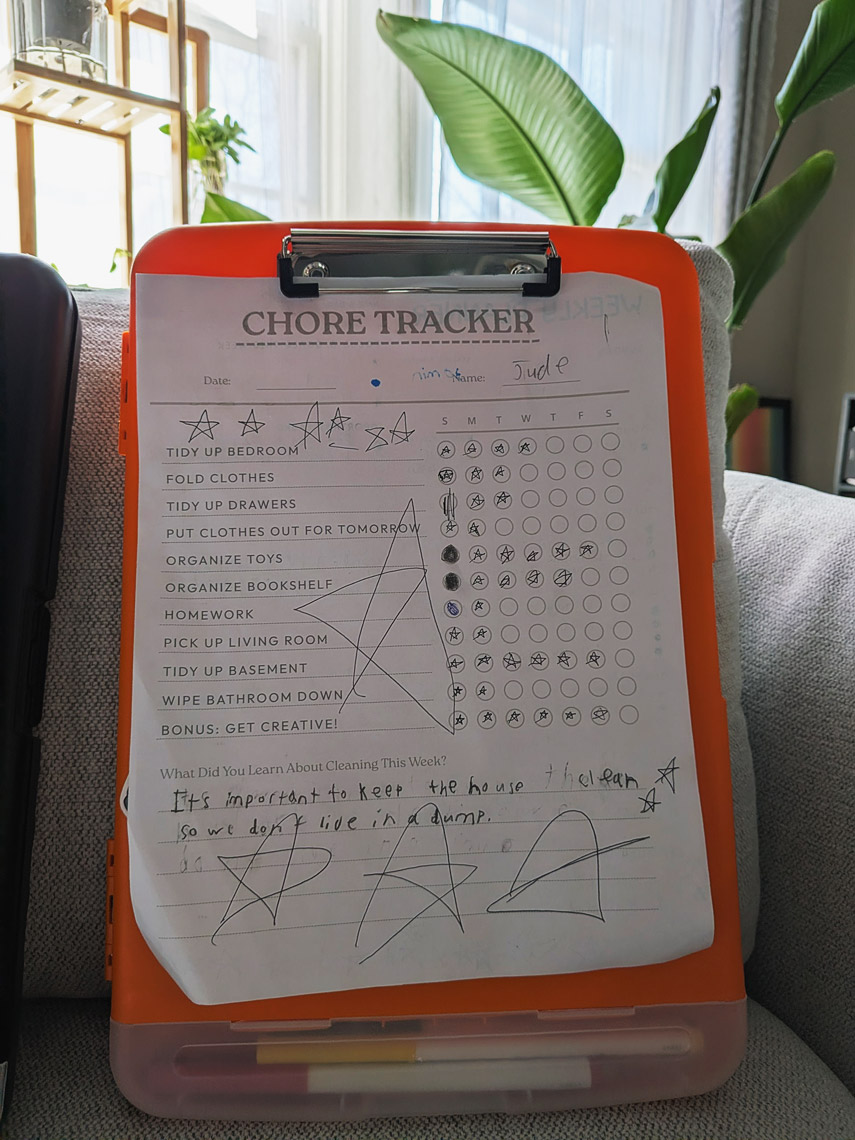
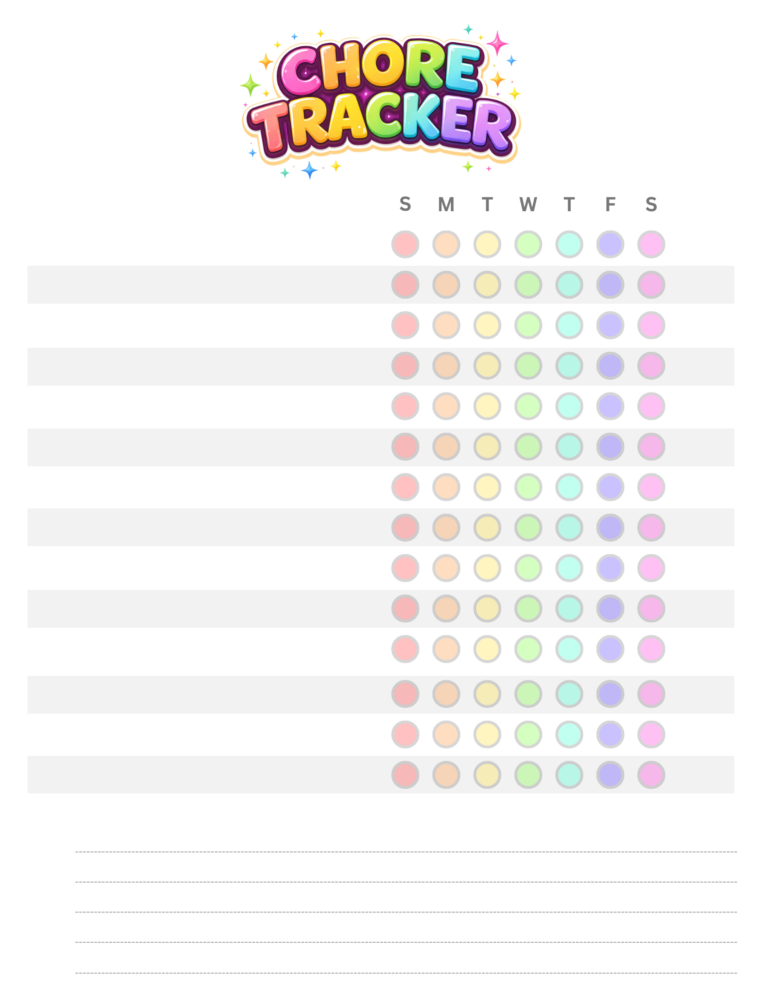
A printable weekly planner + chore tracker is a simple, kid-friendly system to help children plan their week, track chores, and build responsibility without constant reminders.
The printable templates include:
Weekly planner
Reading tracker
Goal setting
Chore checklist
Reflection section
Designed for ages 6–10. Print and reuse every week.
The clipboard was a small upgrade but made a big difference. I found it on Amazon, it was only $8-$10 depending on the color you choose.It gives everything a place. Made it easy to carry around and made it feel a little more “official” for the kids when using it. There are great options with storage inside and the plastic case has a hole for hanging in the mold on the back. No more mis-placing it, the clip board can live somewhere visible and easy to grab. (It also makes a great organizer for Soccer Coaching! 😉)
This system works because it’s simple. But what really makes it stick is consistency. Show up, stick with it, and talk through it together.
Ask your kids:
What worked this week?
What didn’t?
Is there anything you want to add?
Let them have a say. Better yet—do it with them. Plan your week alongside them. Track your own goals. Show them what it looks like to follow through. Because at the end of the day… This isn’t just about chores or planning. It’s about helping them build habits, confidence, and ownership—one week at a time.
 Downloadable File